Cybersecurity for real-world threats.
Learn how to detect phishing, recover hacked accounts, analyze suspicious domains and protect your digital life. Plus practical AI security education, tool comparisons and technical labs — step-by-step content designed for you to learn by applying real knowledge.
100% local simulation · No data is sent · No real exploit runs
Fresh from the wire.
Pick a path. Each one is a working library, not a marketing page.

Threat analysis & defense.
Vocabulary, networks, the shell, crypto, threat modelling. A guided path, not a poster.
Open section →
Securing AI & LLMs.
LLM risks, prompt injection, red teaming and defenses — the emerging attack surface, explained.
Open section →
Written technical labs.
Step-by-step walkthroughs with real commands. Build a home lab, practise legally on what you own.
Open section →
Tools, head to head.
Reproducible benchmarks on the offensive- and defensive-security tools practitioners argue about.
Open section →
Cybersecurity, in context.
New CVEs, model releases and attack patterns — curated and explained, without the breathless coverage.
Open section →
Cheat sheets & references.
Glossaries, command references, checklists and quick-lookups you bookmark and keep coming back to.
Open section →Something looks wrong? Here's what to do.

I entered my credit card on a fake website.
The urgent first steps: freeze the card, check pending charges, don't confirm any follow-up call.
Read the guide →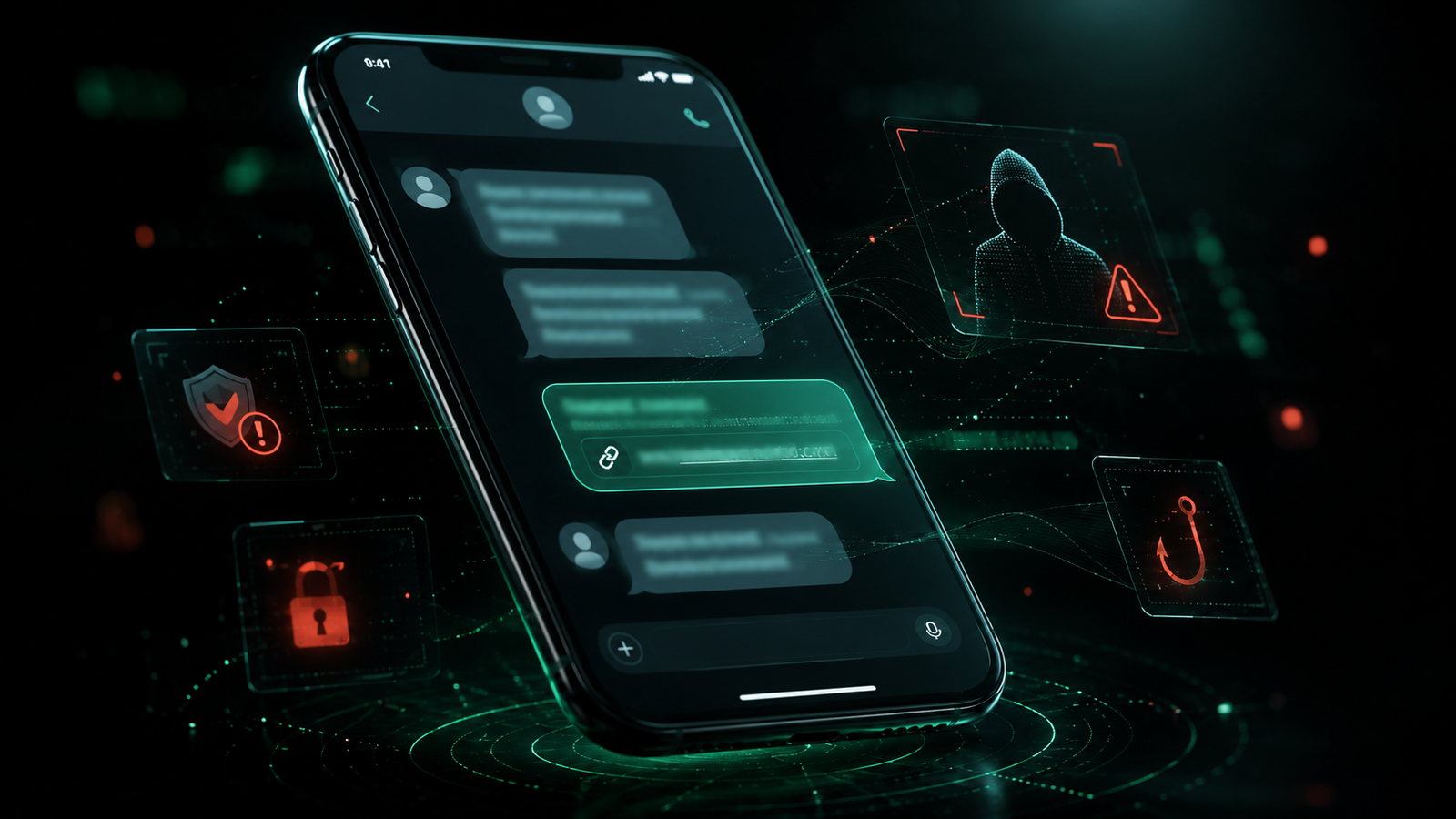
How to tell if an IRS text message is fake.
The IRS doesn't text you about refunds or penalties. Here's what real scam messages look like.
Read the guide →
How to report a scam website in the US.
What evidence to save, and exactly where it goes: the FTC, the IC3, and the platforms that take pages down.
Read the guide →
Your messaging account got hacked.
Log back in, check linked devices, warn your contacts before they get scammed too.
Read the guide →
Is this domain fake or suspicious?
HTTPS proves nothing by itself. The real signals: the actual domain, its age, and what it's asking for.
Read the guide →
Someone's impersonating you on Instagram.
Confirm it's real impersonation, save evidence, then report it and warn your contacts.
Read the guide →Three things we will not negotiate on.
Tested, not summarised.
Every comparison is grounded in hands-on work. Commands you can re-run. Raw artefacts linked at the bottom of each piece.
No paid placement.
Vendors cannot pay for a rating, a quadrant position, or an editorial mention. Disclosures on every page.
Reproducible methodology.
Every score has a version number. When the test plan changes, we re-run prior comparisons and publish the diff. Read the method.